

Microplastics: What You Can Do
Microplastics are everywhere. We can take some steps to decrease our exposure.
In June of 2025, I wrote a post about microplastics. I discussed that very small particles of plastic are found nearly everywhere: water, food, and the air we breathe. We are constantly exposed to microplastics and smaller particles called nanoplastics. As I said in the earlier post, the risk of microplastics to our health is unclear. A few studies have shown potential harm from microplastics, including stroke, heart attack, and possibly cancer, but there is no good data yet on just how harmful they are. I am not talking about BPA. BPA is an endocrine disruptor and should be avoided.
Regarding microplastics, remember that you can find risk in almost anything, and the level of the actual risk of microplastics is still not known. As you know, plastic is very convenient. It is lightweight, lasts forever (part of the problem), and inexpensive. Giving it up can be a big, expensive commitment.
Since microplastics are found nearly everywhere, in our water, animals, plants, and air, I believe. It will take a massive international effort to eliminate them from the environment. Many companies are working on alternatives to plastic products. Still, even if their efforts are successful, it will be many years before we notice a difference in our levels of exposure.
When I first started reading about microplastics, I was worried. I saw the numbers, which show that we likely consume an average of 100,000 to 200,000 particles a year. Many scientists had theories as to how they could sicken humans. I started cutting out as many sources of microplastics as I could. I threw out kitchen utensils, avoided all plastic containers, and drove my patient wife nearly insane.
But the absolute number of particles we consume shouldn’t bother us until we know more. We are exposed to gazillion waves of ultraviolet a day, and that doesn’t frighten us. Red meat may be harmful if you eat more than other meats. The shockingly high number is scary, but it doesn’t mean it will hurt us. There are gazillions of cosmic rays hitting all of us, and cell phone signals coming from everywhere. No one thinks they are dangerous.
I want to know just how bad microplastics are before I kill myself trying to get rid of all of them. I am not going to wear a special mask, if one even exists, in my house to avoid breathing in microplastics, and I will not avoid drinking tap water. It will take a massive international effort to eliminate these sources of exposure. Still, we can take simple steps to significantly diminish our intake of microplastics. I don’t know whether it will improve our health, but if it’s simple, relatively inexpensive, and cuts my intake substantially, I see no reason not to do so.
The largest sources of microplastics are:
- Indoor air (usually thousands of particles a day): Fibers are shed from furniture, carpet, and household products
- Drinking water: Tap water has microplastics, and bottled water, as you would expect, usually contains much more
- Food: Many foods, especially seafood and sea salt, often contain microplastics in the food itself. Some are contaminated by the equipment and processing. Relatively small amounts are found in canned fish (in the hundreds of particles per can.
- Plastic containers: Plastic releases far more microparticles when heated. This occurs whether you heat the plastic container with liquids already in it or whether you add hot liquid to the container. When possible, I use ceramic and glass products to store food, especially liquids, and I never heat food in a plastic container.
- Plastic teabags release tens of thousands of particles per cup of hot tea. Earlier studies found much more, but they may have been in error.
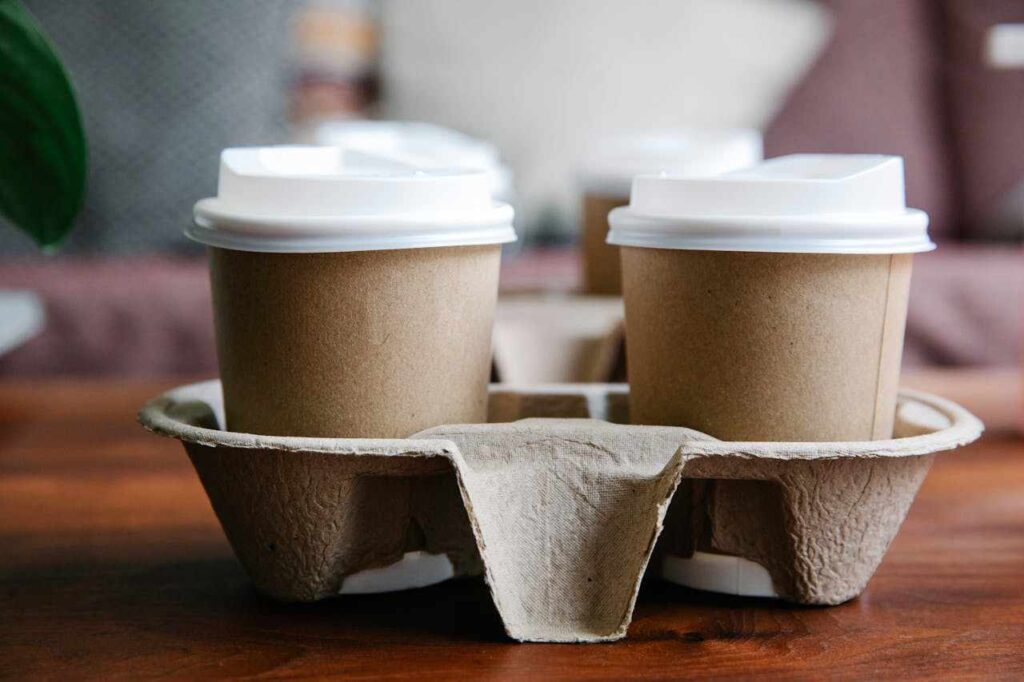
- Pouring hot tea or coffee into a disposable coffee cup can release tens of thousands of particles. Most disposable paper cups and coffee shops are lined with plastic to keep them waterproof. I will discuss below how to avoid this source of microplastics.
- Plastic coffee pods, such as those used in Keurig machines, likely release thousands of particles, but there haven’t been major studies published that I could find. Plastic food containers can release thousands of particles into your food.
- Using plastic tools for cooking can release microplastics
- Teflon-coated nonstick pans release more microplastics than non-Teflon pans. Cracked and damaged Teflon pans release far more. Using cracked and scratched Teflon pans and heating at high temperatures can also release harmful chemicals, and Teflon pans are now banned from sale in Minnesota.
We cannot meaningfully decrease our exposure to the plastics in the air or what is contained in the food we eat. Fruits, vegetables, and seafood contain plastics, but avoiding them would have undesirable health effects, so I am putting that out of my mind. I intend to work at limiting my exposure to plastics in the following ways:
- When possible, I will avoid drinking water from plastic bottles. Even canned drinks have microplastics, so I have another incentive not to drink Diet soda. We are fortunate to have reverse osmosis in our home. RO removes most microplastic particles from the water, and if you own a home, I would consider installing it.
- When I prepare food, I use bamboo or wood cutting boards, rather than plastic. I do eat canned fish because other than salmon, I am allergic to fresh fish and want the health benefits. Otherwise, I try to minimize my exposure to cans, at least until there are cans without the plastic lining.
- Tea: It is easy to avoid the massive amount of microplastics found in tea. Use loose-leaf tea. I use this infuser, but there are many options. You can cut and empty teabags that have plastic, but I drink tea made by companies that don’t use plastic. There are certainly other companies, but I like Bigelow, Twinings, and my new favorite, Stash. Each of these teas has multiple choices of teas, and their sites state they don’t use plastic in their teabags.
- Coffee: I never use Keurig or other pod systems when the pods have plastic, and wrote a post on the beauty of the pourover. I no longer use a plastic pourover dripper. I use a ceramic one (or this one) at home and the Hario metal dripper when I travel, because it is lighter. Regular #2 coffee filters don’t fit right for the Hario, so I use these.
- In restaurants and coffee shops, it is difficult to avoid coffee made in machines that contain plastic. Our home Hamilton Beach coffee maker is great for the price. Hot water doesn’t sit long in plastic parts, so I expect the overall microplastic exposure is low, but I prefer pour over anyway. In-home fully automatic coffee machines, such as those made by Kitchenaid, De’Longhi, and Jura, hot water comes in contact with plastic. Again, I have no idea how important this is. (Drip coffee may be healthier for another reason. Using paper filters removes nearly all of the diterpenes from coffee. Diterpenes may increase the risk of heart dise
- Coffee Shops: As I mentioned, disposable paper cups shed lots of microplastics. Some studies show tens of thousands of particles released per cup. Fortunately, this is easy to avoid. Most coffee shops will serve you in a ceramic, “for here” cup. Even better, you can bring your own travel mug. Coffee shops, gas stations, and convenience stores will usually fill your mug rather than use a disposable cup. Some will even give you a discount. The good news is that many companies are developing cups without plastic, and I expect they will become the norm soon.
I expect that we will soon know more about the risks of microplastics in our environment, and especially in our food. It may turn out that some of us are overreacting to the risks. If microplastics turn out to be dangerous, research will be able to tell us what levels in food and water are important. For now, you may want to consider what you can easily do to decrease your own risk.
Note: If you want references for any of the data I presented, send me an email at harold@haroldoster.com.
Disclosure: Some of the links in this post are 'affiliate links.' This means if you click on the link and purchase the item, I will receive an affiliate commission.
Disclosure: Some of the links in this post are 'affiliate links.' This means if you click on the link and purchase the item, I will receive an affiliate commission.