

How Bad Are Microplastics?
How Bad Are Microplastics?
The answer is complex. I have said many times that everything has a downside, a negative. If you ingest enough of anything, it can usually cause harm. Coffee lowers the risk of various neurological conditions, but too much can cause anxiety and heart palpitations. Exercise is beneficial, but excessive exercise can lead to injury. I doubt that there are any health benefits to microplastics, and as we will see, there are health risks. However, avoiding all microplastics is impossible, and the effort required to do so would cause other problems and cost a lot of money.
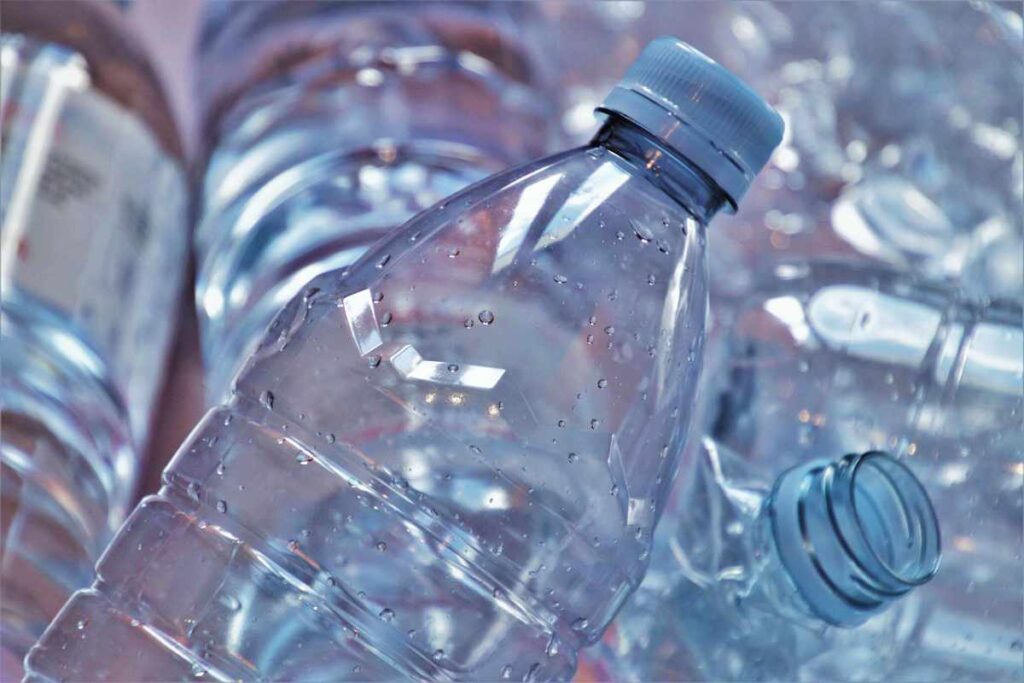
What are microplastics? They are tiny bits of plastic, smaller than 5 mm and as small as 1 nanometer (nm). Nanoplastics are microplastics smaller than 1 nm. Microplastics pollute nearly every body of water on Earth. Humans, and probably all animals, ingest microplastics, primarily through food and water, but also through the air.
Microplastics are not the same as endocrine-disrupting chemicals (EDCs) or PFAS, also known as forever chemicals. These are also potentially harmful environmental contaminants, and I hope to discuss them in later posts.
There are two significant problems with microplastics: environmental risks and health risks. Microplastics are so widespread that we can consider them to be virtually everywhere. Since they degrade slowly, if at all, the amount of microplastic waste in the environment will continue to grow unless we reduce our use of plastic. (Several companies are creating biodegradable plastic.) Environmental microplastics impact marine life and the animals that consume marine life.
The health risks to humans are being studied. Since the science is new, the results are not conclusive; however, I believe that consuming microplastics at the levels humans do is harmful. Most concerning to me is the risk of cardiovascular disease, a leading cause of death and disability. Microplastics are deposited in the arteries, causing inflammation. The result can be a heart attack or a stroke. In a recent study, the authors examined plaque removed from patients who had surgery to correct narrowed carotid arteries. These patients had no symptoms but were at risk of a stroke. Those who had microplastics in their plaque were four times more likely to have a stroke or heart attack in the next three years compared to those whose plaque did not contain microplastics. The study has limitations, but the conclusions are likely real. Microplastics may also cause chronic systemic inflammation and cancer. I expect we will know more details in the next few years.
How harmful are microplastics? The study I mentioned above, which linked microplastics in plaque to cardiovascular disease, showed a fourfold increased risk compared to those without microplastics, but this doesn’t apply to people without known plaque. I doubt microplastics increase the stroke risk in healthy people as much as fourfold. The incidence of heart disease has been declining in the United States. If microplastics even doubled the risk, I would expect the overall incidence to be increasing. I believe that the risk from microplastics is not nearly as significant as the risks associated with smoking, obesity, frequent alcohol use, poor diet, elevated cholesterol levels, or a lack of exercise. Read about all this in my book, The Six Rules for a Longer, Healthier Life. Still, it is important, and if we can easily decrease our consumption, it makes sense to do so.
So, what can we do about microplastics? Significantly reducing environmental contamination will require a monumental multinational effort. The companies I mentioned above are competing for market dominance in the biodegradable industry. If biodegradable plastic becomes widespread and affordable, it will replace the plastic we use now. At the individual level, we can minimize our use of plastics and recycle, but until we have better alternatives to petroleum-based plastics, it will probably not make a significant difference.
Health-wise, microplastics are impossible to avoid altogether. It is present in nearly all drinking water, whether tap or bottled. Though expensive, home reverse osmosis systems should remove most microplastic particles. Surprisingly, the research on this issue is not extensive.
Other sources of microplastics can be more easily avoided. When storing liquids, opt for containers made of glass, stainless steel, or ceramic. Avoid plastic cutting boards—they release a large amount of microplastics into your food. Bamboo cutting boards are inexpensive and easy to clean.
These are some other products I purchased. I am happy with all of them, but I am sure there are other good brands. I bought glass Snapware here, but there are other brands available. Costco usually sells Snapware.
I don’t use plastic cups or tumblers. When I sit outside, I use unbreakable stainless steel cups—these are great. I buy olive oil and avocado oil in glass bottles. Surprisingly, many tea bags contain plastic. Twinings never uses plastic and they make black, green, and herbal teas. I also like Bigelow tea.
You could drive yourself crazy trying to avoid all microplastics. It is impossible, and it is unclear whether it would be of much help to you. Work on the important things first: not smoking, limiting or avoiding alcohol, maintaining a healthy diet, managing your weight, and exercising regularly. If you can decrease your exposure to microplastics, do it. Hopefully, biodegradable plastic and other materials will be developed soon, and we won’t need to worry about it.
Disclosure: Some of the links in this post are 'affiliate links.' This means if you click on the link and purchase the item, I will receive an affiliate commission.
Disclosure: Some of the links in this post are 'affiliate links.' This means if you click on the link and purchase the item, I will receive an affiliate commission.