
Eating Red Meat
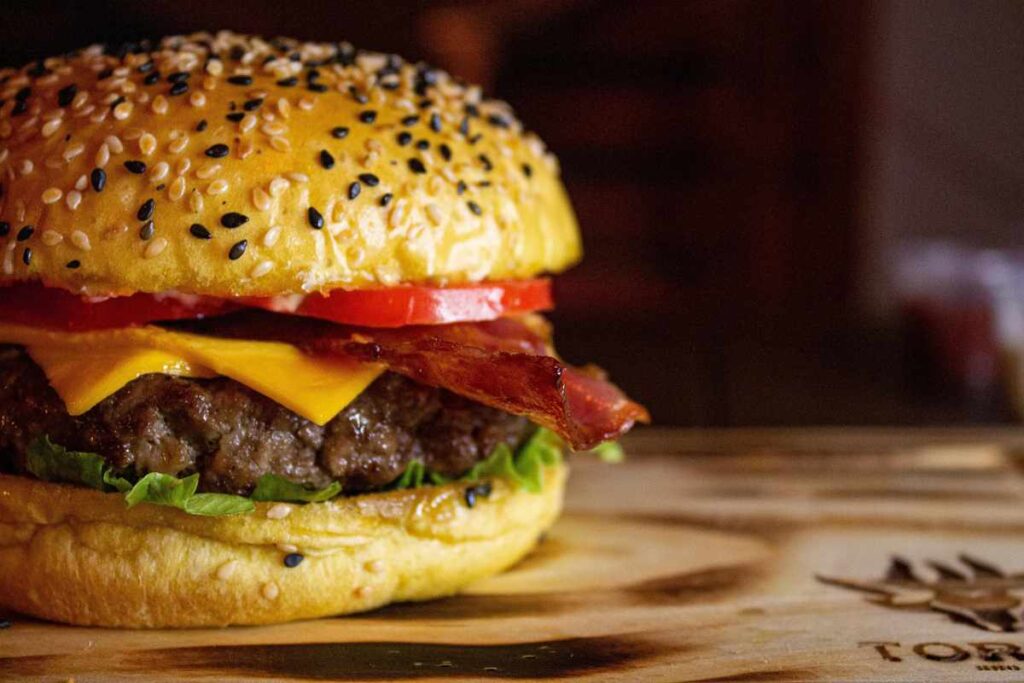
Eating red meat increases the risk of cancer and heart disease.
But, not as much as you may have heard. And remember, everything has a risk.
First, I want to talk briefly about the ethics of eating meat. We all have to decide for ourselves what we should eat. I believe that there is an ethical issue with eating meat. In my mind, there is no difference between killing an animal and eating it, and killing an animal while harvesting grain and vegetables. Many human actions hurt or kill animals. Building malls, bridges, parking lots, and stores, even natural food stores, kills and displaces animals. Farmers intentionally or unintentionally kill animals to protect their harvests.
We kill tens of thousands of deer and smaller animals on our roads, thousands of birds intentionally and unintentionally to fly across the country, and gazillions of insects and other bugs in the processing of all food, including vegan food. I accept these issues when I drive, fly in a plane, and eat meat. I don’t believe I can remain as healthy as I want to be without eating protein derived from meat, and I would be lying to myself that becoming vegan would somehow make me a heroic champion of animals. Regardless of what we eat, we should improve our treatment of animals.
For a superb discussion of the ethics of eating meat, see On Eating Meat by Matthew Evans.
I have chosen to purchase pork, chicken, and beef from farmers who treat the animals as humanely as possible. I buy beef from a butcher who sources from local farms, and I buy chicken from humane-certified farmers. I like Bell and Evans and Smart Chicken, but there are others, such as Pine Manor, which is sold at Whole Foods. Costco (which does not sell humane certified chicken) is about $8 a chicken, and Bell and Evans is about $16. If that is out of your price range, then you have to make a choice. I also find that air-chilled chicken tastes much better, which is another reason I no longer buy chicken at Costco.
Okay, back to health. We have heard for years about the harm of red meat. We heard that the fat was mostly saturated (about 50%), and saturated fat may increase cholesterol and the risk of heart disease. There is probably a small increased risk of heart disease in people who eat more red meat, especially processed red meat, such as bacon, sausage, and so on. Those contain more salt and curing ingredients, which are likely the cause of the added risks. This is a good review article on the topic.
In the article, the authors looked at numerous studies that compared people who ate quite a lot of red meat to people who ate little or no red meat. Some of the studies they found show a small increased risk that was dose-dependent, meaning that if I eat red meat once every week or two, it is not as harmful as three Big Macs a day. The authors’ analysis showed that most of the individual studies’ conclusions were of low or very-low certainty. That means there was a significant chance that the overall conclusion of the review, that red meat increases heart disease, was not meaningful. See my post on the difficulty in doing a meaningful nutritional study.
The review also looked into the risk of red meat and cancer. With low or very-low quality evidence, red meat seems to have a small increased risk of cancer.
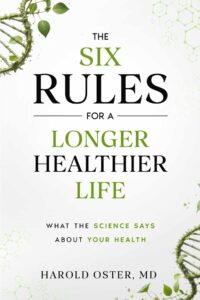
Because red meat provides protein, and I enjoy it, I am willing to eat it occasionally. I eat it with intent, though. I will eat steak at a nice restaurant if there is nothing else on the menu that fits in The Three Rules to Lose Weight and Keep It Off Forever. At home, I make sure it is well worth it. I will eat a ribeye from the butcher, rather than a round steak from Dollar Tree. (Read about all this in my book, The Six Rules For a Longer, Healthier Life.)
It turns out that it might not even be the fat in red meat that slightly increases heart disease and cancer risk. It’s probably the heme, which is the molecule in hemoglobin that carries iron and gives meat its red color. Beef, lamb, and goat meat contain large amounts of heme. Chicken and fish have much less heme, and pork is in the middle. This may explain why pork may not significantly increase the risk of cancer or heart disease.
Red meat may not be as healthy as chicken or fish, but red meat is nowhere near as unhealthy as smoking, drinking alcohol, or being obese. When you decide if you want to indulge in red meat, I suggest you do it with intent. Do you really need to have it? If so, do it. Consider getting a better cut and buying it from a more humane source. If you think this way, you would eat less beef overall, which would benefit your health. You would also make a small contribution to the lives of the animals that feed us. You have to decide, but think about it, please. I will continue to eat red meat occasionally, and I can live with my choice. Most people don’t really think about what they eat. It only takes a minute at the store or restaurant.
Disclosure: Some of the links in this post are 'affiliate links.' This means if you click on the link and purchase the item, I will receive an affiliate commission.
Disclosure: Some of the links in this post are 'affiliate links.' This means if you click on the link and purchase the item, I will receive an affiliate commission.